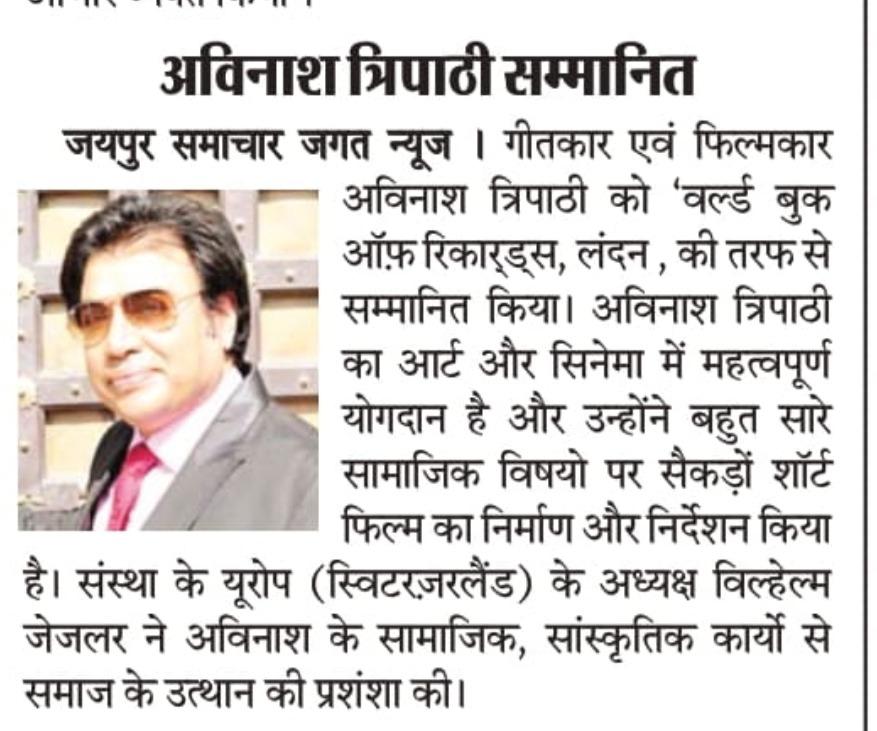
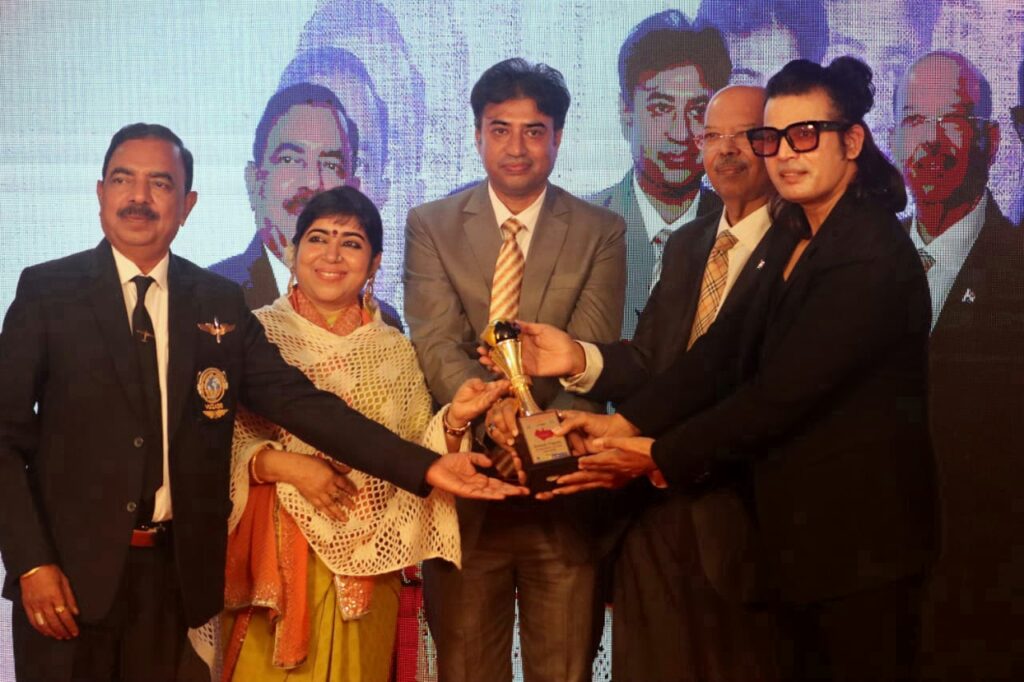
By Short Filmmaker Avinash Tripathi—
Cinema is no longer limited to giant screens, dark theatres, or three-hour storytelling formats. Today, some of the most powerful emotions are being delivered in less than a minute. The rise of reels, micro-series, short films, vertical dramas, and web episodes has completely transformed the language of storytelling. According to Short Filmmaker Avinash Tripathi, this shift is not reducing the value of cinema — it is redefining how modern audiences emotionally connect with stories.
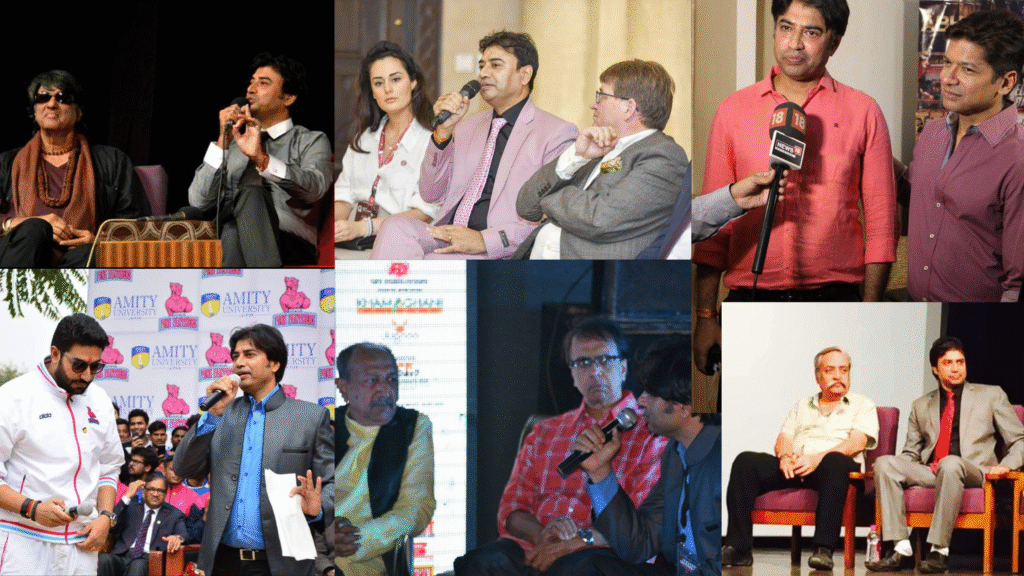
The digital generation consumes stories differently. Audiences today scroll faster, react faster, and emotionally engage faster. A strong visual moment on a mobile screen can now create the same emotional impact that traditional cinema once achieved through lengthy narratives. This is why short visual content has become one of the most influential creative movements in contemporary cinema culture.
The Rise of Mobile Cinema: Opinion by Short Filmmaker Avinash Tripathi
The smartphone has become the new theater screen. Platforms like YouTube, Instagram, and OTT platforms have changed viewing habits across the world. Whether it is a two-minute emotional story, a vertical romantic drama, or a five-minute thriller, audiences are consuming visual narratives continuously throughout the day.
Short filmmaker Avinash Tripathi believes that this transformation is not temporary. It represents a larger cultural evolution where storytelling is adapting to human attention patterns and digital lifestyles.
Unlike traditional cinema, short-form storytelling depends heavily on:
- instant emotional connection,
- visually powerful openings,
- sharp editing,
- mobile-friendly framing,
- and faster narrative movement.
This new cinematic structure has given birth to an entirely different ecosystem of creators and viewers.
How Indian Cinema Culture Adapted to Short Visual Content
India has always had a strong storytelling tradition. From folk theatre and mythological narratives to Bollywood and television serials, emotional storytelling has remained central to Indian audiences.
Today, that same emotional culture is thriving in short-form content.
Independent creators across India are producing the following:
- short films,
- poetry visuals,
- micro web-series,
- social issue narratives,
- experimental cinema,
- documentary shorts,
- and vertical storytelling content.
According to Short Filmmaker Avinash Tripathi, one of the biggest reasons behind the success of Indian short-form storytelling is emotional relatability. Indian audiences connect deeply with stories that reflect everyday life, relationships, struggle, hope, and social realities.
Many talented creators from small towns are now building massive audiences without depending on major film studios. A mobile phone, basic editing software, and strong storytelling skills are becoming enough to enter the visual entertainment industry.
The Global Popularity of Micro-Series and Vertical Dramas
The popularity of short visual storytelling is not limited to India. Countries like South Korea, China, Japan, and the United States have aggressively experimented with micro-series and mobile-first cinema.
Chinese vertical dramas, especially, have become a global phenomenon. These stories are designed specifically for portrait-mode mobile viewing and usually feature the following:
- one to three-minute episodes,
- emotional cliffhangers,
- rapid storytelling,
- and binge-friendly formats.
Korean creators mastered emotional storytelling in short durations, while Western creators focused heavily on experimental narratives and digital satire.
As Short Filmmaker Avinash Tripathi observes, modern audiences do not reject long cinema; they reject slow engagement. Viewers now expect emotional intensity from the very beginning.
This is why creators worldwide are rethinking cinematic grammar for smaller screens.
Short Films Are Becoming the New Training Ground
There was a time when aspiring filmmakers entered theatre groups or assistant director roles to learn cinema. Today, short films and digital storytelling have become the new practical film schools.
Many creators now begin their journey through:
- YouTube channels,
- Instagram storytelling,
- independent short films,
- and web-series production.
According to Short Filmmaker Avinash Tripathi, short-form storytelling gives creators the freedom to experiment without massive financial risks. Young filmmakers can test ideas, develop visual styles, understand audience psychology, and improve their storytelling techniques much faster than traditional filmmaking systems allowed.
This democratization of cinema is creating opportunities for creators from non-film backgrounds who previously had no access to the entertainment industry.
The Biggest Challenge: Quality vs Quantity
While short content is growing rapidly, there is also a visible creative imbalance. Millions of creators are producing videos daily, but very few receive proper cinematic guidance.
Many creators understand trends and algorithms, but they struggle with:
- screenplay structure,
- emotional pacing,
- sound design,
- cinematic framing,
- shot composition,
- and storytelling depth.
This is where training becomes extremely important.
Short Filmmaker Avinash Tripathi strongly believes that if digital creators receive structured guidance in visual storytelling, the quality of short content can improve dramatically across platforms.
Today, audiences are becoming smarter. Viral content may attract temporary attention, but meaningful storytelling creates long-term impact.
Why YouTube Has Become the World’s Largest Film School
YouTube has unintentionally become one of the biggest learning platforms for aspiring filmmakers and content creators.
Thousands of creators now learn:
- mobile cinematography,
- editing techniques,
- screenplay writing,
- lighting,
- acting,
- sound mixing,
- visual effects,
- AI-assisted filmmaking,
- and audience engagement strategies through YouTube tutorials.
However, random tutorials alone cannot build strong storytellers.
According to short filmmaker Avinash Tripathi, creators now require structured mentorship and cinematic training ecosystems where experienced filmmakers guide them professionally.
Educational institutions and media organizations should introduce the following:
- mobile filmmaking workshops,
- vertical cinema training,
- creator incubation programs,
- AI-based editing labs,
- screenplay writing bootcamps,
- and practical storytelling sessions.
Such initiatives can improve both creativity and employability for young digital creators.
The Future of Storytelling
The future of cinema may not begin inside giant production studios. It may begin inside a mobile phone camera held by a young creator sitting in a small town.
A one-minute emotional story can now reach millions of viewers worldwide.
A short film can launch a filmmaking career.
A vertical series can become mainstream entertainment.
As short filmmaker Avinash Tripathi explains, short visual storytelling is no longer just social media content. It is becoming a new cinematic language for the digital generation.
The screen may have become smaller, but storytelling possibilities have become larger than ever before.
The future belongs to creators who understand not only technology and trends, but also emotion, human psychology, and cinematic storytelling discipline.
Because in the end, audiences may scroll quickly,
But they still stop for stories that truly touch them.
Also Read- AI Filmmaking in India